
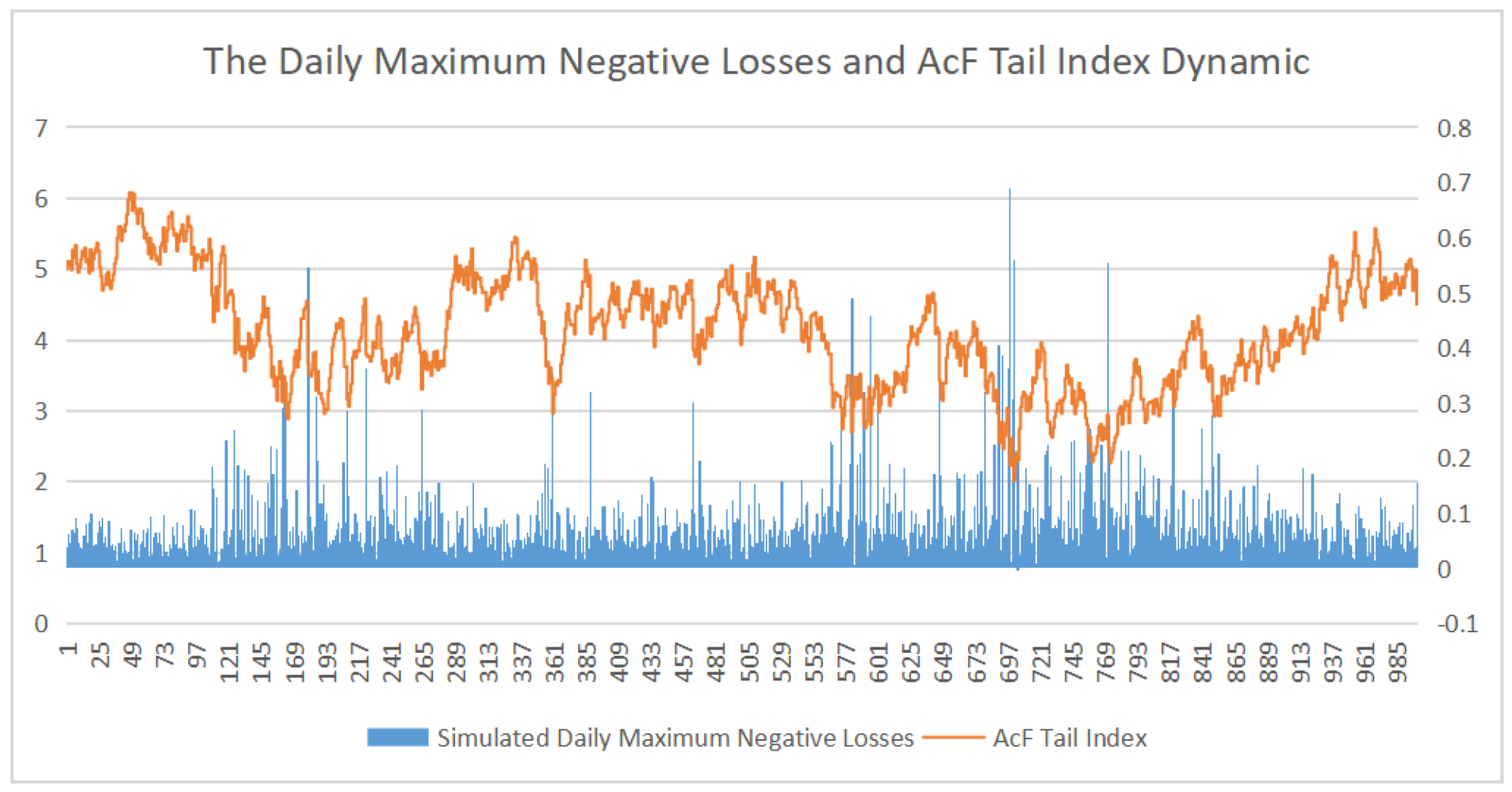
In an environment of increasing market uncertainty, managing the risk of rare but severe portfolio drawdowns—known as tail risk—has become a top priority for professional traders and institutional investors.
Traditional diversification and asset allocation strategies can offer some protection, but they often fall short when markets move abruptly and correlations between asset classes spike. This is where combining options with underlying assets provides a powerful, flexible solution for managing extreme downside risk without sacrificing long-term growth potential.
By strategically integrating derivatives into a broader portfolio, traders can design hedging frameworks that limit losses in extreme conditions while maintaining exposure to the upside. t.
Why Options Are Effective Tail-Risk Tools
Options are uniquely suited to manage asymmetric outcomes—those where downside losses far exceed potential gains. Because they allow traders to control exposure to an asset’s movement without holding the full position, options can offer protection against large losses for a fraction of the cost of selling assets outright.
Buying put options, for instance, creates a defined downside limit. When volatility spikes and prices drop, the value of the put increases, offsetting losses in the underlying asset. Conversely, selling covered calls can generate income that cushions against moderate downturns while maintaining long exposure.
The key advantage of using options for tail-risk hedging lies in their flexibility. Depending on market conditions and risk tolerance, traders can adjust strike prices, maturities, and position sizes to fine-tune protection levels.
To learn more about how these instruments work in different market contexts, you can explore the fundamentals of options trading, which detail how traders use options to manage exposure, hedge portfolios, or generate income.
Integrating Options with Underlying Assets
Tail-risk hedging works best when options complement the underlying assets. This combination lets investors stay invested in core holdings while layering on protection that acts like insurance. Below are some of the most common approaches:
Protective Puts
A protective, or “married,” put involves purchasing a put option for a stock or index already held. If prices fall sharply, the put gains value, offsetting portfolio losses; if prices rise or remain stable, the option simply expires. Though such protection can be costly during high volatility, many traders view it as a worthwhile insurance premium to limit downside risk while preserving upside potential.
Collar Strategies
A collar combines a long put with a short call on the same asset. The call premium helps offset the cost of the put, creating a more affordable hedge. While this caps potential gains at the call’s strike price, it maintains protection against major losses—an appealing balance for investors focused on capital preservation.
Dynamic Hedging with Index Options
For diversified portfolios, index options (such as on the S&P 500 or FTSE 100) offer efficient, broad-based protection. By adjusting hedge ratios in line with portfolio beta, managers can dynamically respond to changing volatility—achieving flexibility and efficiency that static hedges often lack.
Evaluating the Cost and Timing of Hedges
Tail-risk hedging is not without cost. Premiums on options—particularly deep out-of-the-money puts—can erode returns if markets remain stable. Therefore, successful implementation requires careful consideration of timing, strike selection, and volatility conditions.
One effective approach is to treat hedging as a rolling strategy rather than a one-time trade. By staggering maturities or adjusting hedge ratios, investors can smooth out costs and ensure continuous coverage.
Some institutional traders also use a volatility overlay, allocating a fixed portion of their portfolio to volatility-based assets or options strategies that tend to rise in value during market stress. This approach can reduce drawdowns without frequent position changes.
Behavioural and Strategic Benefits
Beyond the mechanical protection, combining options with underlying assets offers a behavioural advantage. Knowing that tail-risk hedges are in place can help traders stick to their long-term strategies without making emotional decisions during market turbulence.
In essence, the goal is not to eliminate all risk—an impossible task—but to create a framework that prevents catastrophic losses while keeping the portfolio positioned for recovery. This aligns with the philosophy of “winning by not losing too much,” a principle many successful investors follow.
Moreover, this approach can enhance portfolio efficiency under modern portfolio theory. By smoothing out extreme outcomes, it can improve risk-adjusted returns and reduce overall portfolio volatility.
Practical Considerations for Implementation
When incorporating options-based tail-risk hedging, traders should keep several practical factors in mind:
- Liquidity: Use liquid instruments—such as index options or large-cap equity options—to avoid slippage and ensure efficient execution.
- Volatility regime: Initiate hedges when implied volatility is low; premiums rise sharply during stress events, making late hedging expensive.
- Sizing: Tail hedges should typically represent a small percentage of portfolio exposure but have large notional protection in extreme cases.
- Review and rebalance: Market conditions evolve, and hedges must be monitored and adjusted periodically to remain effective.
By treating hedging as a dynamic process, traders can strike a balance between cost, protection, and performance.
Conclusion
Tail-risk events are, by nature, unpredictable—but that doesn’t mean traders must remain unprepared. Combining options and underlying assets provides one of the most adaptable and efficient ways to safeguard portfolios against extreme market downturns.
This hybrid approach allows investors to stay engaged with growth opportunities while maintaining a defined risk floor. By strategically applying option-based hedges, traders can reduce the impact of rare shocks, enhance portfolio resilience, and navigate uncertainty with greater confidence.
